Health Insurance for the Self‑Employed: A Practical Guide to Coverage Options and Benefits
If you run your own business, health insurance can feel overwhelming—especially without an employer plan to rely on. This guide walks through the options available to self‑employed people, explaining plan types, who qualify, what costs to expect, and the tax rules that affect your bottom line. Our goal is to give you clear, practical information so you can choose coverage that protects your health and your finances. We’ll cover plan types, eligibility, cost drivers, tax treatments, the benefits of private coverage, and smart steps to pick the right plan for your situation.
Types of Health Insurance Plans
If you’re self‑employed, you can choose from several plan types—each offers different tradeoffs in cost, coverage, and flexibility. The main options include:
- Private Health Insurance: Buy coverage directly from an insurer. This gives you more control over plan features, provider networks, and add‑ons tailored to your needs.
- Group Health Insurance: Available to small businesses, group plans cover multiple employees under one policy and often lower the per‑person cost versus individual plans.
- Individual and Family Health Insurance: Plans designed for one person or a household, with options to scale benefits to match your family’s needs.
- High‑Deductible Health Plans (HDHPs): Lower monthly premiums but higher out‑of‑pocket costs before coverage kicks in—good if you want lower regular costs and can handle bigger expenses when they occur.
Knowing how each plan works helps you match coverage to your health needs and budget.
Eligibility Requirements
Qualifying for different types of health insurance depends on your work situation and the program you choose. Common criteria include:
- Self‑Employed Status: You’ll typically need proof that you’re self‑employed—tax returns, 1099s, or business registration documents usually do the job.
- Minimum Employee Requirements for Group Insurance: To offer a group plan, small businesses often must have at least one employee other than the owner; rules vary by carrier and state.
Programs like the Small Business Health Options Program (SHOP) and state exchanges have their own rules, so check program specifics before applying.
ACA & State Exchanges for Self‑Employed Health Insurance
Self‑employed individuals generally aren’t eligible for the SHOP marketplace unless they employ at least one other person besides the owner.
USA, D Barber III, 2018
Understanding these eligibility limits helps you pick the right route to coverage without surprises.
Self-Employed Health Insurance: Coverage Options and Benefits

Cost is often the deciding factor for the self‑employed. Several elements drive what you’ll actually pay:
- Variability of Premiums: Premiums differ by age, health history, plan type, and where you live—compare plans to find the best value for your situation.
- Tax Deductions for Health Insurance Premiums: You may be able to deduct premiums from your taxable income, which can meaningfully lower your after‑tax cost.
- Potential Tax Credits for Small Businesses: Depending on your revenue and number of employees, small-business tax credits may be available to help reduce plan costs.
Factoring in these elements will give you a clearer picture of total cost—not just the monthly premium.
This table shows typical monthly premium ranges and deductibles so you can compare how plan types stack up.
Tax Obligations
Taxes affect how affordable health insurance really is for the self‑employed. Key points to keep in mind:
- Deductibility of Premiums from Taxable Income: Premiums you pay for health insurance may be deductible, lowering your taxable income and your overall tax bill.
- Extension of Deductions to Family Members: Premiums for spouses and dependents can often be included in the deduction, which helps when covering a household.
These tax rules can make coverage more accessible—talk to a tax professional to apply deductions correctly for your situation.
Self‑Employed Health Insurance: Premium Deductibility & Coverage Take‑Up
Studies show that allowing self‑employed individuals to deduct health insurance premiums lowers the after‑tax cost of coverage and increases both take‑up and the level of insurance purchased.
Evidence from the self‑employed, BT Heim, 2009
Knowing how deductions and subsidies change the effective price of insurance helps you choose a cost‑effective plan.
Benefits of Private Health Insurance
Private plans can be an attractive choice for many self‑employed people. Common advantages include:
- Financial Protection Against Medical Expenses: Private coverage limits your exposure to large medical bills and reduces the risk of unexpected debt.
- Access to Quality Care: Many private plans give you broader provider networks and easier access to specialists and facilities you prefer.
- Preventive Care Coverage: Routine care, screenings, and vaccines are often covered, helping you stay healthy and avoid costlier care later.
KSimmons Insurance offers personalized plan recommendations and bilingual support to help you understand options and choose a plan that fits your life and business.
What Are the Best Health Insurance Plans for Self-Employed Individuals?
The best choice depends on your health needs, budget, and risk tolerance. Many self‑employed people mix private or individual plans with HDHPs and HSAs to balance premium costs and protection. Compare premiums, covered services, and provider networks to find what works best for you.
How to Compare Individual Health Insurance Plans for Freelancers
When comparing plans, focus on these core criteria:
- Premium Costs: Look at monthly premiums and how they fit your cash flow.
- Coverage Options: Check what services are included—preventive care, specialist visits, mental health, and emergency care.
- Provider Networks: Confirm your preferred doctors and hospitals are in‑network to avoid surprise bills.
Impact on Business
Health insurance choices affect more than personal health—they can shape your business too. Key impacts include:
- Enhancing Employee Retention: Offering insurance can make it easier to hire and keep quality employees, even for small teams.
- Link Between Insurance and Productivity: Insured workers tend to be healthier and miss less work, which supports productivity and business continuity.
Consider how your coverage decisions affect hiring, retention, and overall business stability.
How Can Self-Employed Individuals Qualify for Health Insurance Subsidies and Tax Deductions?
Subsidies are typically based on household income and family size; you’ll need to document your income when applying. Tax deductions for premiums can further lower costs by reducing your taxable income. Together, these tools can make insurance much more affordable.
What Are the Eligibility Criteria for Health Insurance Subsidies in 2026?
In 2026, subsidy eligibility generally depends on income relative to the federal poverty level and household size. You’ll need to provide income documentation (tax returns, profit/loss statements, etc.) to qualify—rules vary by state and program.
How Do Tax Deductions Work for Self-Employed Health Insurance Premiums?
Self‑employed taxpayers can often deduct health insurance premiums from their income, lowering taxable income and overall taxes. This deduction may apply to premiums paid for yourself, your spouse, and dependents—check current IRS rules or consult a tax advisor for specifics.
Over time, changes in tax policy have altered the cost‑benefit of coverage for the self‑employed.
Self‑Employed Health Insurance: Taxation & Premium Deductions
Before PL 99‑514, the self‑employed could only deduct premiums as itemized medical expenses, subject to an AGI floor. The Tax Reform Act of 1986 (PL 99‑514) changed treatment by allowing a partial adjustment to income for health insurance premiums.
Sources of health insurance for the self employed: does differential taxation make a difference?, AC Monheit, 1993
When Are the Enrollment Periods and Deadlines for Self-Employed Health Insurance?
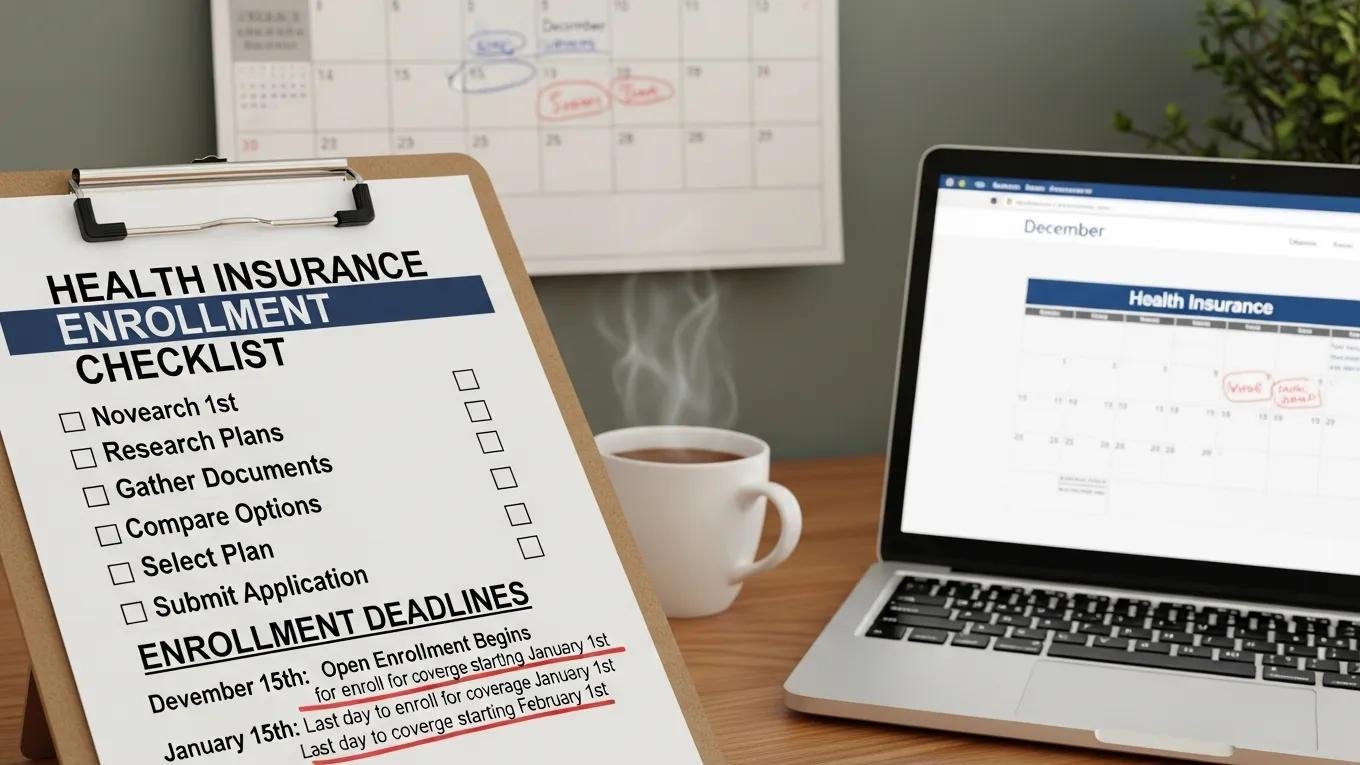
Open enrollment typically takes place in the fall each year, but special enrollment periods may apply if you have a qualifying life event—marriage, birth, loss of other coverage, or a change in household income. Check relevant marketplaces and insurers for exact dates.
How to Choose Between Marketplace and Private Health Insurance for the Self-Employed
Deciding between marketplace plans and private plans comes down to three main factors:
- Cost: Compare premiums, deductibles, and out‑of‑pocket limits.
- Coverage: Verify which services are covered and whether your providers are included.
- Flexibility: Private plans may offer greater customization, while marketplace plans must also cover essential health benefits and provide income‑based subsidies.
What Are the Advantages of Marketplace Plans for Freelancers?
Marketplace plans can be more affordable for lower‑income freelancers because of subsidies. They must also cover essential health benefits, providing a solid baseline of protection.
When Is Private Insurance a Better Option for Self-Employed Coverage?
Private insurance may be preferable if you need specific benefits, want access to a broader provider network, or have a higher income that makes marketplace subsidies less relevant. Private plans can also offer more plan choices and add‑on options.
How Can Financial Planning Help Manage Health Insurance Costs for the Self-Employed?
Good financial planning smooths out health costs. Helpful steps include:
- Budgeting for Premiums: Set aside money each month so premiums don’t strain cash flow.
- Exploring Tax Deductions: Understand available deductions and credits to lower your effective cost.
- Investing in Health Savings Accounts (HSAs): HSAs offer tax advantages and help pay for qualified medical expenses.
What Strategies Reduce Premiums and Out-of-Pocket Expenses?
Practical ways to lower costs include:
- Shopping Around: Compare carriers and plans to find better rates and coverage.
- Choosing a High‑Deductible Plan: HDHPs lower monthly premiums—pair them with an HSA if possible.
- Utilizing Preventive Care: Use covered preventive services to catch issues early and avoid higher costs later.
Frequently Asked Questions
What should self-employed individuals consider when choosing a health insurance plan?
Focus on three big things: monthly premium affordability, the services the plan covers, and whether your preferred doctors are in‑network. Also, think about deductibles, out‑of‑pocket maximums, and whether the plan supports your business cash flow.
Are there specific health insurance options for freelancers with families?
Yes. Look at individual and family plans that bundle coverage for spouses and dependents. Compare family premiums, coverage limits, and provider networks—and factor in any tax benefits for covering family members.
How can self-employed individuals find affordable health insurance?
Compare plans on the marketplace and through private brokers, check eligibility for subsidies and tax credits, and consider HDHPs with HSAs to reduce monthly costs while saving for medical expenses.
What are the implications of not having health insurance as a self-employed individual?
Going without coverage exposes you to high out‑of‑pocket medical bills and can limit access to timely care. A serious health event could create financial strain or debt—insurance helps protect both your health and your business.
How do health insurance premiums differ based on age and health status?
Insurers typically charge higher premiums for older individuals and may adjust rates based on health factors. People with pre‑existing conditions can face higher costs or limited options, so shopping across carriers is important.
What role do health savings accounts (HSAs) play for the self‑employed?
HSAs pair well with HDHPs—contributions are tax‑deductible, funds grow tax‑free, and withdrawals for qualified medical expenses are tax‑free. HSAs can be a useful way to save for future healthcare needs while reducing taxable income.
What are the common misconceptions about health insurance for the self‑employed?
Common myths include that insurance is unaffordable or that the self‑employed can’t get subsidies. In reality, many people qualify for marketplace subsidies, and there are multiple plan types—private, group, and HDHPs—to fit different budgets and needs.
Conclusion:
Health insurance matters for the self‑employed—not just for peace of mind, but for financial stability. By learning about plan types, eligibility rules, costs, and tax benefits, you can pick coverage that protects both your health and your business. If you want personalized help, KSimmons Insurance can walk you through options and explain details in plain language.
Conclusion
Finding the right health insurance doesn’t have to be complicated. With the right information and support—whether from a broker or a trusted advisor—you can secure coverage that fits your life and your company. Start exploring your options today to protect your health and your livelihood.

Written by
Kenroy Simmons
Health and Life Insurance Expert • National Producer #18385323
Licensed, independent insurance agent at K Simmons Insurance, helping families and businesses across 32 states find the right health and life coverage.
View full profile ›
Have questions about your coverage?
Get a free, no-obligation comparison across top carriers.
☎ Call 888-984-6270