What Is Credit Repair and How It Works — A Practical Guide
Credit repair is the practical work of correcting mistakes and removing unfair negative items from a credit report so a person’s creditworthiness improves. The typical steps are reviewing your credit reports, disputing errors, and following a plan to rebuild your credit through habits like making on-time payments and reducing balances. Knowing how credit repair works matters because a healthier credit score can cut your interest rates and open up better loan options. This guide walks through how credit repair works, what credit reports and scores mean, step-by-step dispute and repair actions, your legal rights, how credit affects insurance costs and financial planning, how to pick a trustworthy credit repair partner, and available bilingual resources.
How Credit Repair Works:
Credit repair uses a methodical process to find and fix inaccuracies on credit reports. It starts with a close review of the report to identify negative items that could be dragging down your score. After identifying potential errors, you or a trusted helper file disputes with the credit bureaus—often using written dispute letters and supporting documents. Credit repair also usually includes a personalized plan to build better credit over time, such as paying down balances, making every payment on time, and using credit more carefully.
What Are Credit Scores and Credit Reports? Understanding Their Role in Financial Health
Credit scores and credit reports are core parts of your financial picture. A credit score is a number—usually between 300 and 850—that summarizes how lenders see your credit risk. That number is calculated based on factors such as payment history, how much of your available credit you use, how long your accounts have been open, the mix of credit types, and recent credit checks. A credit report is the detailed record behind that score: accounts, payment histories, and any public records (for example, bankruptcies). Lenders use both to decide whether to lend, at what rate, and on what terms.
How Is a Credit Score Calculated and What Factors Affect It?
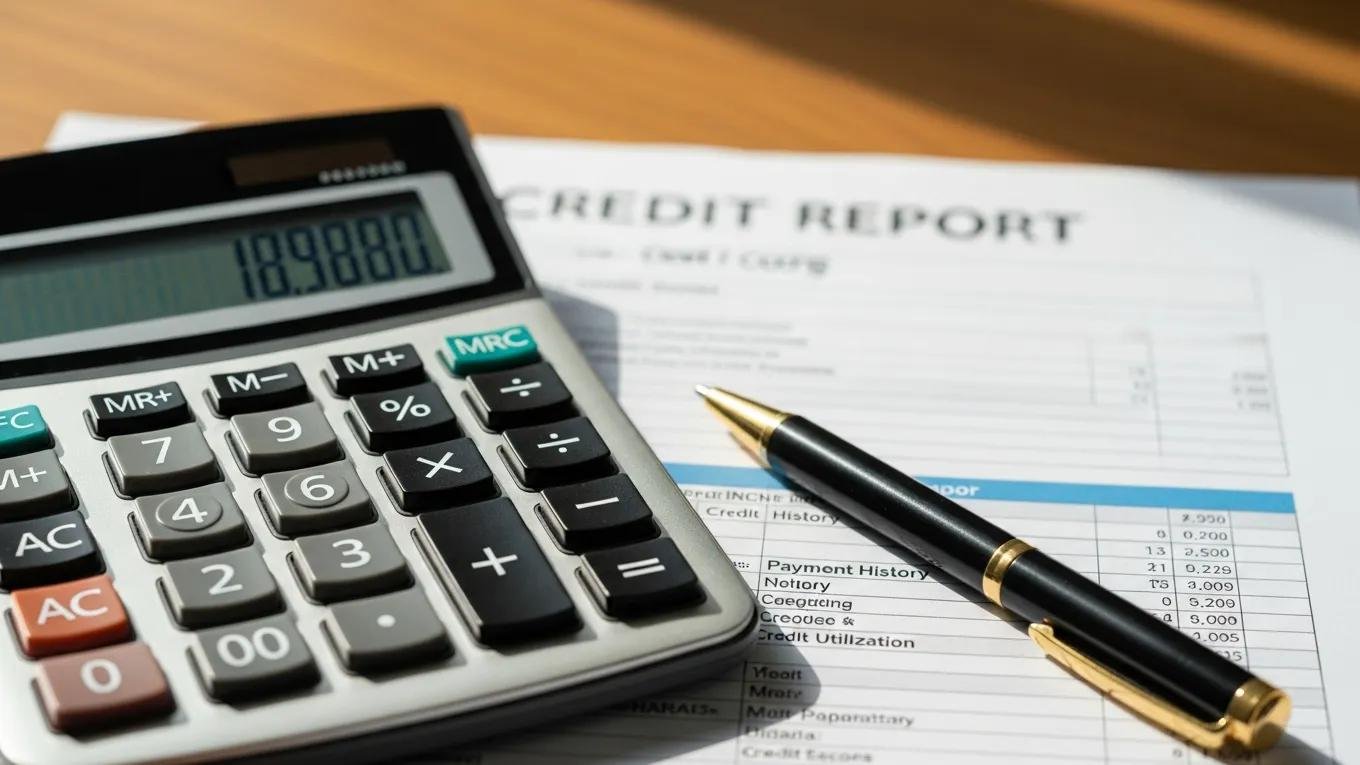
Credit scores are built from several key pieces. The main contributors are:
- Payment History: About 35% of your score. It shows whether payments were made on time.
- Credit Utilization: Around 30%. This measures how much of your available credit you’re using.
- Length of Credit History: Roughly 15%. It looks at how long your accounts have been open.
- Types of Credit Used: About 10%. This counts the mix of credit accounts — credit cards, mortgages, and installment loans.
- Recent Credit Inquiries: The final 10%. It reflects how often you’ve applied for new credit recently.
What Information Is Included in a Credit Report and How Is It Used?
A credit report comprises several sections that together show a person’s credit history. These commonly include:
- Personal Information: Name, current and past addresses, Social Security number, and date of birth.
- Credit Accounts: All open and closed accounts—credit cards, loans, mortgages—plus payment history.
- Credit Inquiries: A record of who has requested your report, typically lenders or other authorized parties.
- Public Records: Items like bankruptcies, tax liens, or court judgments that can affect creditworthiness.
Lenders read these reports to gauge lending risk. Clean reports and higher scores usually lead to better loan terms; negative reports can mean higher rates or loan denials.
Credit Repair Process: Step-by-Step Guide to Fix Report Errors
Correcting a credit report usually follows a clear set of steps. Here’s a practical walkthrough:
- Obtain Credit Reports: Request reports from the three major bureaus—Experian, TransUnion, and Equifax.
- Review Reports for Errors: Read each report carefully for wrong account details, outdated negatives, or identity mix-ups.
- Dispute Errors: When you find mistakes, file disputes with the bureaus. That typically means a written dispute letter that explains the error and includes proof.
- Follow Up: Track the dispute, respond to requests for documentation, and confirm corrections once the bureau completes its investigation.
- Implement a Credit-Building Plan: Work on long-term improvements: reduce debt, make payments on time, and avoid unnecessary new credit applications.
How Do Credit Dispute Letters Work in Correcting Credit Report Errors?
Credit dispute letters formally ask a credit bureau to investigate information you believe is wrong. A useful dispute letter clearly includes:
- Personal Information: Your full name, current address, and Social Security number (or last four digits) to identify the file.
- Description of the Error: A plain explanation of what’s incorrect and why.
- Supporting Documentation: Copies of documents that back up your claim, such as account statements or payment receipts.
After the bureau gets the dispute, they generally have 30 days to investigate. If the dispute shows the item is incorrect, the bureau must correct or remove it. Still, some disputes can be tricky and may require additional evidence or follow-up.
Below is a real-world example showing how disputes can become complicated:
Disputing Credit Report Errors: A Case Study
In 2001, George Saenz (“Saenz”) had a $512.31 medical bill that went unpaid and later entered collection. The debt was sold to NCO Financial Systems, Inc. (“NCO”), and NCO accepted a compromise payment of $333 as full satisfaction. In 2003, Saenz requested his report from Trans Union. The report still listed the $512.31 debt as outstanding, which Saenz disputed. Trans Union used an automated consumer dispute verification (“ACDV”) system to compare its data to what the creditor reported. The system wrongly verified the information and Trans Union did not change the report.
The (Un) Fair Credit Reporting Act: How Courts Have Undermined the Protections of the FCRA, 2024
What Are the Typical Timelines and Outcomes of Credit Repair Services?
How long credit repair takes depends on the number of disputes, the complexity of errors, and how quickly bureaus and creditors respond. Many people begin to see changes in 30 to 60 days after filing disputes, but larger or more complicated corrections can take several months. Ongoing credit-building actions—like consistent on-time payments—generate steady improvements over time.
What Legal Rights and Protections Do Consumers Have in Credit Repair?
You have specific legal protections when disputing credit report information. The Fair Credit Reporting Act (FCRA) gives you the right to dispute inaccurate information and requires the bureaus to investigate in a timely way. The Credit Repair Organizations Act (CROA) also sets rules for companies that offer credit repair services, including contract and disclosure requirements. These laws are designed to keep the process fair and transparent.
Is Credit Repair Legal and What Laws Govern It?
Yes—credit repair is legal. It’s regulated by laws like the FCRA and CROA, which protect consumers and set standards for dispute handling and how credit repair companies must operate. These laws give you the right to correct errors and to receive clear information about any services you hire.
How Can Consumers Protect Themselves from Credit Repair Scams?
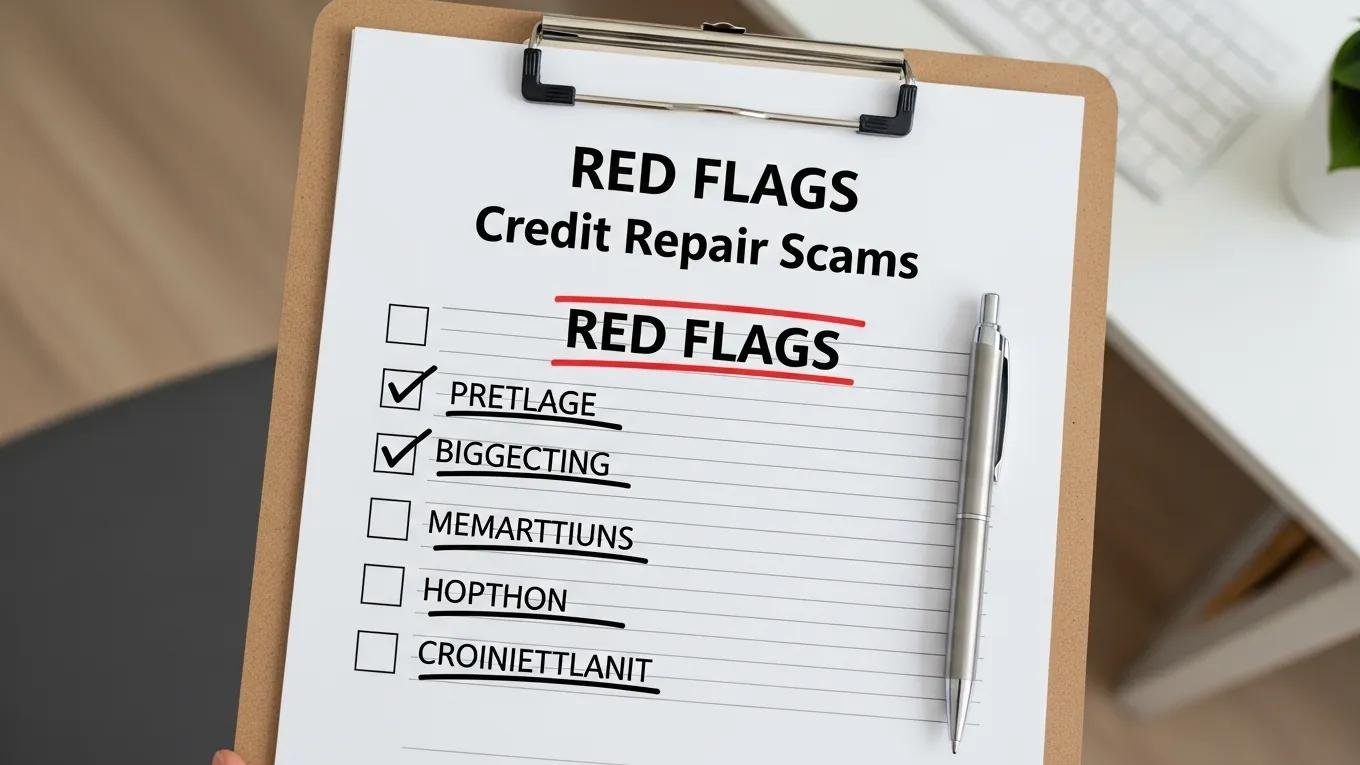
To avoid scams, watch for these commonsense steps:
- Research Credit Repair Companies: Check reviews, verify credentials, and look for clear customer feedback and references.
- Avoid Upfront Fees: Be wary of firms that demand payment before any work begins—federal rules limit advance fees for credit repair services.
- Read Contracts Carefully: Make sure terms, fees, and guarantees (if any) are spelled out in writing before you sign.
How Does Credit Repair Affect Insurance Premiums and Financial Planning?
Credit repair can affect your insurance costs and broader financial plan. Many insurers factor credit information into underwriting. Improving your credit score may lower insurance premiums and make other financial options more affordable.
In What Ways Does Credit Score Impact Insurance Underwriting and Premium Estimates?
Insurers often use credit-related data as one indicator of risk. A higher credit score can signal stability and lead to lower premium estimates. Conversely, a lower score can mean higher premiums because insurers may view the policyholder as a higher risk.
How Can Integrated Credit Repair and Insurance Consultation Benefit Financial Health?
Combining credit repair with insurance advice creates a more complete financial picture. As your credit improves, you may qualify for better insurance rates. Pairing credit work with insurance consultation helps you plan holistically—protecting assets, improving credit, and reducing costs where possible.
How to Choose a Credit Repair Service: What to Look for in Credit Restoration Companies
Picking the right credit repair partner matters. Look for these core qualities:
- Transparency: Clear descriptions of services, timelines, and fees.
- Experience: A track record of successful, ethical work in credit repair.
- Customer Support: Easy access to someone who can answer questions and explain progress.
What Are the Key Features of Reliable Credit Repair Services?
Trustworthy credit repair companies usually provide:
- Personalized Action Plans: Strategies tailored to your specific credit report and goals.
- Regular Updates: Ongoing communication about disputes, outcomes, and progress.
- Bilingual Support Services: Help in multiple languages so more people can use their services effectively.
How Does KSimmons Insurance Support Credit Repair and Insurance Needs?
KSimmons Insurance combines credit repair guidance with insurance expertise. We focus on teaching clients the steps of credit repair, offering personalized action plans, and providing bilingual support so everyone gets clear, practical help. Our goal is to improve both credit health and insurance outcomes for individuals and families.
Where Can Consumers Find Bilingual Credit Repair Resources and Support?
Access to bilingual resources is key for many communities. Several organizations and companies provide support in multiple languages so people can understand their reports and dispute problems accurately.
What Bilingual Services Are Available for Diverse Communities?
Bilingual services often include:
- Credit Counseling: Help reviewing credit reports and explaining scores in the client’s preferred language.
- Dispute Assistance: Support drafting and sending dispute letters in another language when needed.
- Educational Resources: Workshops, guides, and materials offered in multiple languages to build understanding and confidence.
How to Access KSimmons Insurance’s Bilingual Credit Repair Consultation?
To speak with KSimmons Insurance about bilingual credit repair help, contact us by phone or email. We offer tailored consultations to review your credit situation and recommend next steps in the language you’re most comfortable with.
Frequently Asked Questions
What are the common misconceptions about credit repair?
A few myths come up often. One is that credit repair is a fast, guaranteed fix—it’s not. Real credit repair takes time and effort to find and fix errors and improve habits. Another myth is that services can remove accurate negative items; legitimate credit repair only targets incorrect or unverifiable information and helps you build better credit behavior over time.
How often should I check my credit report?
It’s a good practice to check your credit report at least once a year to confirm accuracy. If you’re actively fixing credit or planning a big purchase like a home, check more often. Regular monitoring helps you catch mistakes early and respond before they cause bigger problems.
Can I repair my credit on my own, or do I need a service?
You can absolutely repair credit on your own—start by pulling your reports, spotting errors, and disputing them. Plenty of free resources walk you through the steps. If the process feels overwhelming or you prefer someone to manage disputes and paperwork, a reputable credit repair service can save time and provide expertise.
What should I do if my credit repair dispute is denied?
If a dispute is denied, read the bureau’s response to see why. You can collect more proof and refile, contact the creditor directly to resolve the issue, or hire a reputable service or consumer protection group for help. Keep records of all communications and evidence to strengthen any follow-up claim.
How long does it take to see results from credit repair efforts?
Results vary. Many people notice some improvement within 30 to 60 days after disputes are filed, but bigger or more complicated corrections can take several months. Ongoing positive credit habits—on-time payments, lower balances—drive steady improvement over time.
Are there any risks associated with credit repair services?
Yes—some companies make unrealistic promises or charge upfront fees without delivering. Always research a company’s reputation, read contracts, and avoid any service that asks you to dispute accurate information or suggest dishonest tactics. Those approaches can harm your credit and may have legal consequences.
Conclusion
Fixing credit mistakes and building stronger credit habits can open doors to lower interest rates, better loan terms, and improved financial options. By understanding how disputes work and knowing your rights, you can take control of your credit health. If you want help, choose a transparent, experienced partner—like KSimmons Insurance—to guide you with personalized plans and bilingual support. Start improving your credit today by reaching out for one-on-one assistance.

Written by
Kenroy Simmons
Health and Life Insurance Expert • National Producer #18385323
Licensed, independent insurance agent at K Simmons Insurance, helping families and businesses across 32 states find the right health and life coverage.
View full profile ›
Have questions about your coverage?
Get a free, no-obligation comparison across top carriers.
☎ Call 888-984-6270